 Skip to content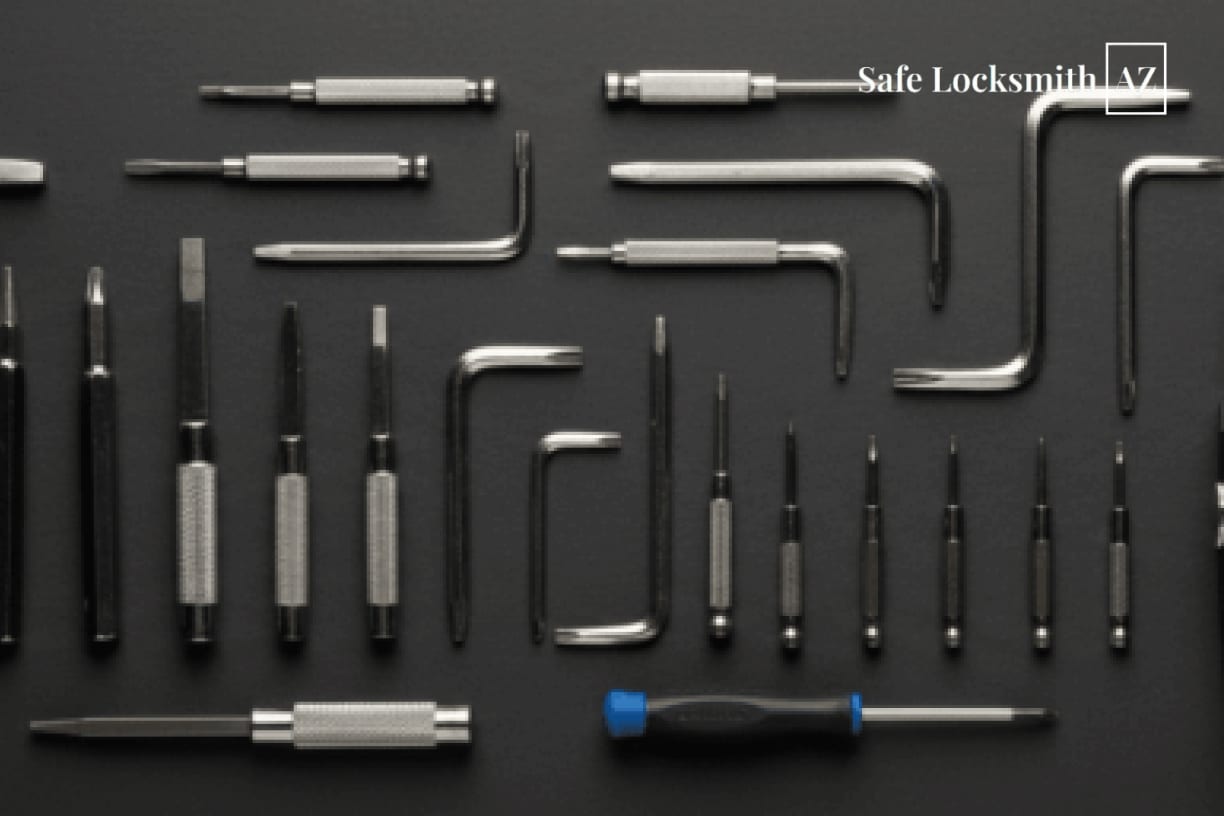
How to Become a Locksmith in Arizona
Becoming a locksmith in Arizona involves a combination of technical training, background checks, and local business registration. Arizona does not have a statewide professional licensing board for locksmiths, which means there is no single state exam or license required to practice the trade. Instead, individuals must meet local municipal requirements, complete standardized background verification, and often complete an apprenticeship or vocational program to gain the necessary skills.
This guide provides the specific steps, costs, and educational paths required to enter the security industry in the Grand Canyon State. Safe Locksmith AZ provides this information to help aspiring professionals understand the current standards and expectations for local locksmiths. By focusing on practical training and legal compliance, new locksmiths can establish a foundation for a stable career in residential, commercial, or automotive security.
Legal Requirements and Background Clearances
The absence of a state-level license does not mean the industry is unregulated. The most critical step for any aspiring locksmith is proving their reliability and lack of a criminal record. Most employers and many customers will require proof of a clean background before allowing a technician to handle their security hardware.
Fingerprint Clearance Cards
In Arizona, the Fingerprint Clearance Card is the gold standard for background verification. This card is issued by the Arizona Department of Public Safety after a thorough review of state and federal criminal records. While not strictly mandated by state law for all locksmiths, holding this card is often a prerequisite for employment at reputable companies. It demonstrates to clients that the technician has passed a high level of scrutiny.
Local Municipal Licenses
While the state stays out of professional licensing, cities like Phoenix, Tucson, and Mesa have their own rules. Some cities require a specific business license or a regulatory permit for mobile service providers. For instance, the City of Phoenix requires certain types of businesses to obtain a privilege tax license and meet specific zoning or operational codes. Always check with the city clerk’s office in the area where the work will be performed.
Education and Training Pathways
Technical proficiency is a primary requirement for entry into this field. Modern locksmithing has moved beyond simple key cutting to include electronic access control, high-security cylinders, and automotive transponder programming.
Vocational Schools vs. Apprenticeships
Newcomers generally choose between attending a dedicated locksmith school or finding an apprenticeship. Schools provide a structured environment where students learn the theory of lock mechanics, master keying, and bypass techniques. These programs often last from a few weeks to several months.
Apprenticeships involve working under an experienced professional. This path provides practical experience with real-world problems that a classroom cannot replicate. Apprentices learn how to handle difficult lockouts, manage customer expectations, and use specialized tools in the field.
Comparison of Entry Paths
| Feature | Vocational School | Apprenticeship |
|---|---|---|
| Duration | 2 to 6 months | 1 to 3 years |
| Cost | $1,000 to $5,000 | Usually paid or low-cost |
| Focus | Theory and basic skills | Hands-on field experience |
| Certification | Certificate of completion | Journeyman status (varies) |
| Job Placement | Career services often included | Often leads to full-time hire |
Bonus Tip: Focus on automotive locksmithing during training. Modern vehicles use complex transponder keys and computerized systems. Learning these skills early can significantly increase a technician’s marketability because many traditional locksmiths do not offer advanced automotive services.
Professional Certifications and Industry Standards
Earning voluntary certifications can help a locksmith service stand out in a competitive market. Organizations like the ALOA Security Professionals Association offer various levels of certification, such as Certified Registered Locksmith (CRL) and Certified Professional Locksmith (CPL). These designations require passing rigorous exams that cover dozens of categories, including safe opening, cabinet locks, and door closers.
Maintaining these certifications requires ongoing education. Because security technology changes quickly, staying active in professional organizations ensures a locksmith remains familiar with the latest electronic locks and smart home integrations.
Arizona Market Data and Salary Expectations
The demand for locksmiths in Arizona is driven by a growing population and a high volume of new residential and commercial construction. According to data from the U.S. Bureau of Labor Statistics, locksmiths and safe repairers in Arizona earn a competitive wage compared to other trade professions.
Current market trends show that locksmiths specializing in electronic security and access control earn higher hourly rates than those who only perform traditional mechanical work. As smart home technology becomes standard in Phoenix and Scottsdale developments, the need for technicians who can bridge the gap between hardware and software continues to rise. Successfully entering this market requires a dedicated investment in the right tools and inventory.
Essential Equipment and Startup Costs
Starting a locksmith career requires a significant investment in tools. A mobile locksmith needs a reliable vehicle outfitted with specific machinery.
- Key Machines: You will need at least one duplicator for standard keys and a code machine for generating keys from scratch.
- Lock Picking Sets: A variety of picks and tension wrenches are necessary for non-destructive entry.
- Programming Tools: For automotive work, specialized tablets are required to communicate with a car’s onboard computer.
- Inventory: This includes various locksets, deadbolts, and thousands of key blanks.
Bonus Tip: Avoid buying the cheapest tools available. High-quality picks and key machines last longer and provide better precision, which prevents damage to customer locks and reduces the need for expensive re-work.
Things to Consider Before Making a Decision
Before committing to this career, evaluate these factors to ensure it is the right fit.
- Physical Demands: The job involves significant time on your knees, working in tight spaces, and occasionally lifting heavy safes. Arizona heat can make mobile work especially taxing during the summer months.
- Irregular Hours: Many locksmiths work on-call schedules. Emergencies happen at night, on weekends, and during holidays. Being available during these times is often how new professionals build a client base.
- Initial Investment: If starting an independent business, expect to spend several thousand dollars on equipment and insurance before taking the first call.
- Liability Risks: Locksmiths handle the primary security of homes and businesses. Professional liability insurance is mandatory to protect against accidental damage or security breaches.
Common Questions about Locksmithing in Arizona
Many people wonder if they need a special permit to carry lock picks in Arizona. Under state law, possession of locksmith tools is legal unless there is intent to use them for a crime. However, carrying these tools without being able to prove professional status can lead to complications with law enforcement.
Another frequent question involves the time it takes to become proficient. While basic key duplication can be learned in a day, becoming a competent locksmith who can handle high-security systems usually takes at least two years of consistent practice.
Frequently Asked Questions
Do I need a license to be a locksmith in Phoenix?
There is no specific professional locksmith license required by the city of Phoenix. However, you must obtain a standard business license and follow all local tax regulations. Some specific contracts, particularly with government agencies, may require additional vetting or specific certifications.
How much does it cost to start a locksmith business in Arizona?
A basic mobile setup typically costs between $5,000 and $15,000. This includes a used van, key cutting machines, a basic inventory of locks, and initial marketing costs. Costs can double if you choose to specialize in high-end automotive programming or safe cracking.
Is an apprenticeship required by law?
No, an apprenticeship is not a legal requirement in Arizona. However, it is the most respected way to learn the trade. Most established companies will not hire a technician who lacks either a formal education from a trade school or a documented apprenticeship under a master locksmith.
Can I work as a locksmith with a criminal record?
It depends on the nature of the crime. Since you must often obtain a Fingerprint Clearance Card to work for reputable firms or enter certain job sites, a felony conviction related to theft or violence will likely prevent you from working in the industry.
Are there many jobs for locksmiths in Arizona?
Yes, the job market is stable. The U.S. Bureau of Labor Statistics indicates consistent employment levels for this sector. The rapid growth of the Phoenix metropolitan area ensures a steady stream of work in residential rekeying and commercial security maintenance.
Final Steps for Aspiring Professionals
To start a career as a locksmith in Phoenix, begin by researching local vocational programs or reaching out to established shops regarding apprenticeship opportunities. Prioritize obtaining a Fingerprint Clearance Card early in the process, as this proves your eligibility to work in sensitive security environments. Focus on building a diverse skill set that includes both traditional mechanical locks and modern electronic systems. Evaluate your ability to handle the physical demands and irregular schedule of the job. By combining technical expertise with a clean professional record, you can build a successful career in the Arizona security market.
Get Started in the Locksmith Industry
Professional locksmithing requires dedication to security and a commitment to helping the community stay safe. For those interested in learning more about the standards of the trade or looking for reliable security services in the area, contacting an established local expert is a great way to gain perspective. Safe Locksmith AZ operates in the Phoenix area and can be reached at (623) 282-1352 or via email at info@safelocksmithaz.com. Whether you are seeking information on security hardware or looking to understand the professional landscape, reaching out to experienced technicians provides the most accurate view of the local industry.
Sources
- Arizona Department of Public Safety – Official site for obtaining Fingerprint Clearance Cards and checking state background requirements.
- U.S. Bureau of Labor Statistics – Provides data on wages, employment outlook, and job descriptions for locksmiths and safe repairers.
- ALOA Security Professionals Association – The primary international organization for locksmith certifications and professional standards.
- City of Phoenix – Resource for local business licensing and regulatory requirements in the state’s largest city.
